
Research & Biotechnology Products
Explore our portfolio of research, biotechnology and animal health solutions.
 Active
I-309/CCL1/TCA-3
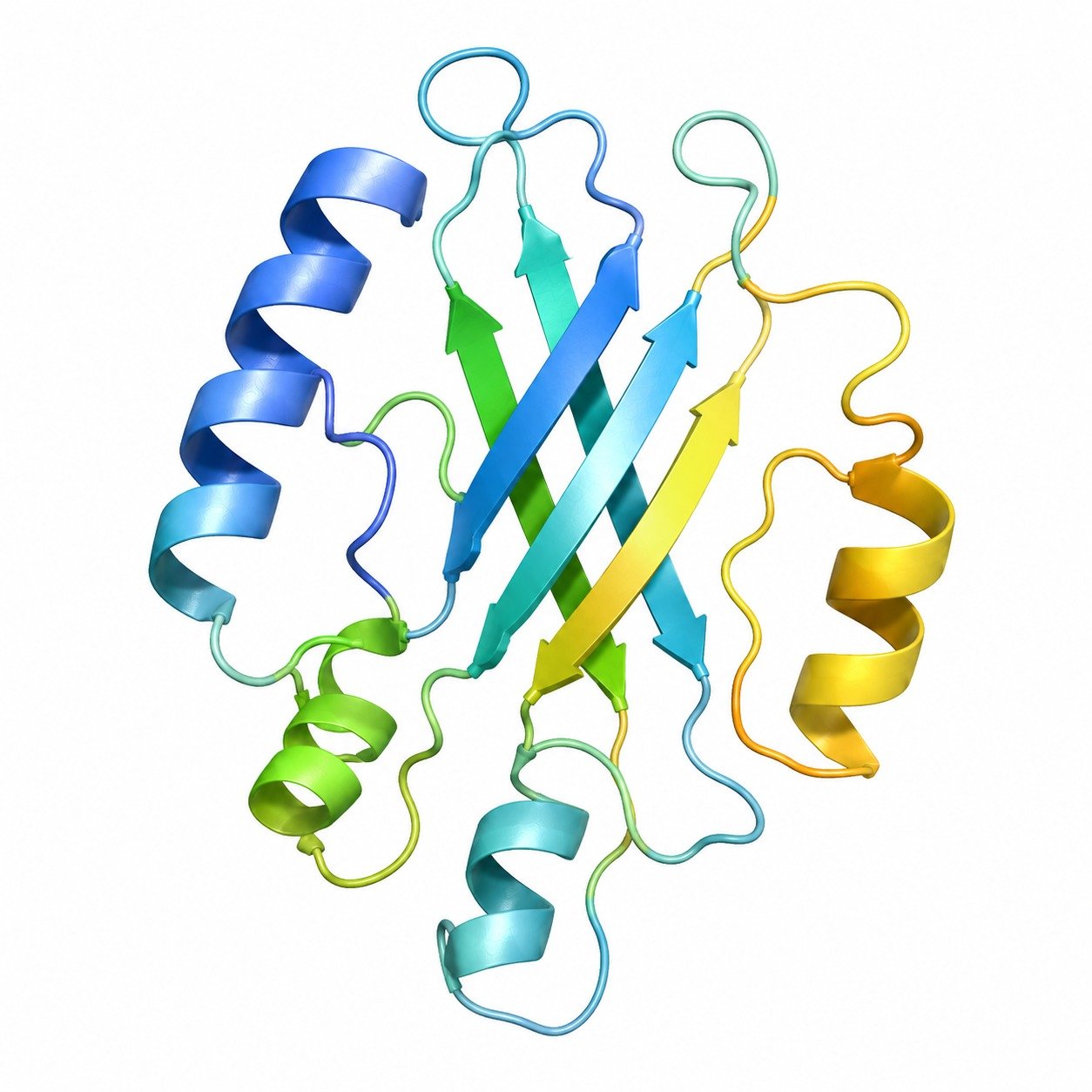
I-309 Human Recombinant produced in E.Coli is a single,non-glycosylated, polypeptide chain containing 74 amino acids and having a molecular mass of 8504 Dalton. The I-309 is purified by proprietary chromatographic techniques. Chemokine (C-C motif) ligand 1 (CCL1) is a small glycoprotein secreted by activated T cells that belongs to a family inflammatory cytokines known as chemokines. CCL1 attracts monocytes, NK cells, and immature B cells and dendritic cells by interacting with a cell surface chemokine receptor called CCR8. This chemokine resides in a large cluster of CC chemokines on human chromosome 17.
Active
CXCL9 / MIG
MIG (monokine induced by gamma-interferon ) Human Recombinant produced in E.Coli is a single, non-glycosylated, polypeptide chain containing 103 amino acids and having a molecular mass of 11700 Dalton. The MIG is purified by proprietary chromatographic techniques. Chemokine (C-X-C motif) ligand 9 (CXCL9) is a small cytokine belonging to the CXC chemokine family that is also known as Monokine induced by gamma interferon (MIG). CXCL9 is a T-cell chemoattractant, which is induced by IFN-?. It is closely related to two other CXC chemokines called CXCL10 and CXCL11,
whose genes are located near the gene for CXCL9 on human chromosome 4. CXCL9, CXCL10 and CXCL11 all elicit their chemotactic functions by interacting with the chemokine receptor CXCR3.
Active
CXCL14/BRAK
CXCL14 Human Recombinant produced in E.Coli is a single, non-glycosylated, Polypeptide chain containing 77 amino acids and having a molecular mass of 9.4kDa.The CXCL14 is purified by proprietary chromatographic techniques. CXCL14 is involved in immunoregulatory and inflammatory processes. BRAK protein is structurally related to the CXC (Cys-X-Cys) subfamily of cytokines. CXCL14 displays chemotactic activity for monocytes but not for lymphocytes, dendritic cells, neutrophils or macrophages. CXCL14 is involved in the homeostasis of monocyte-derived macrophages.
Active
CXCL12 / SDF-1 beta
Stromal Cell-Derived Factor-1 beta Human Recombinant produced in E.Coli is a non-glycosylated, Polypeptide chain containing 72 amino acids and having a molecular mass of 8508 Dalton. The SDF-1b is purified by proprietary chromatographic techniques. SDF-1 (stromal cell-derived factor-1) is small cytokine belonging to the chemokine family that is officially designated Chemokine (C-X-C motif) ligand 12 (CXCL12). It is produced in two forms, SDF-1?/CXCL12a and SDF-1?/CXCL12b, by alternate splicing of the same gene. Chemokines are characterized by the presence of four
conserved cysteines, which form two disulfide bonds. The CXCL12 proteins belong to the group of CXC chemokines, whose initial pair of cysteines are separated by one intervening amino acid. CXCL12 is strongly chemotactic for lymphocytes and has been implicated as an important cell co-ordinator during development. During embryogenesis it directs the migration of hematopoietic cells from foetal liver to bone marrow. Mice which were knocked-out for CXCL12 gene were lethal before the birth or within just 1 hour of life. As another role, CXCL12a alters also the electrophysiology of neurons. CXCL12 was shown to be expressend in many tissues in mice (including brain, thymus, heart, lung, liver, kidney, spleen and bone marrow).The receptor for this chemokine is CXCR4, which was previously called fusin. This CXCL12-CXCR4 interaction used to be considered exclusive (unlike for other chemokines and their receptors), but recently it was suggested that CXCL12 is also bound by CXCR7 receptor. The gene for CXCL12 is located on human chromosome 10. In human and mouse both CXCL12 and CXCR4 show high identity of sequence: 99% and 90%, respectively.
Active
CXCL11
Active
CCL8/MCP-2
Monocyte Chemotactic Protein-2 Human Recombinant produced in E.Coli is a non-glycosylated, Polypeptide chain containing 76 amino acids and having a molecular mass of 8904 Dalton. The MCP2 is purified by proprietary chromatographic techniques. Chemokine (C-C motif) ligand 8 (CCL8) is a small cytokine belonging to the CC chemokine family that was once called monocyte chemotactic protein-2 (MCP-2). The CCL8 protein is produced as a precursor containing 109 amino acids, which is cleaved to produce mature CCL8 containing 75 amino acids. The gene for CCL8 is encoded by 3 exons and is located within a large cluster of CC chemokines on chromosome 17q11.2 in humans. MCP-2 is chemotactic for and activates a many different immune cells, including mast cells, eosinophils and basophils, (that are implicated in allergic responses), and monocytes, T cells, and NK cells that are involved in the inflammatory response. CCL8 elicits its effects by binding to several different cell surface receptors called chemokine receptors. These receptors include CCR1, CCR2B and CCR5.
Active
CCL24/Eotaxin-2/MPIF-2
CCL24 Human Recombinant produced in E.Coli is a single, non-glycosylated polypeptide chain containing 78 amino acids and having a molecular mass of 8.8 kDa. The CCL24 is purified by proprietary chromatographic techniques. Eotaxin-2, also called MPIF2 & Ckb6, is a novel CC chemokine produced by activated monocytes and T lymphocytes. Eotaxin-2 selectively chemoattracts cells expressing CCR3 including eosinophils, basophils, Th2 T cells, mast cells, and certain subsets of dendritic cells. Furthermore, Eotaxin-2 inhibits the proliferation of multipotential hematopoietic progenitor cells. The mature protein, which includes C-terminal truncation, contains 78 amino acids (92 amino acids for the mouse homolog, without C-terminal truncation).CCL24 functions as a chemotactic chemokine for resting t-lymphocytes, and eosinophils. CCL24 has lower chemotactic activity for neutrophils but none for monocytes and activated lymphocytes. CCL24 is a strong suppressor of colony formation by a multipotential hematopoietic progenitor cell line and binds to CCR3.
Active
CCL22/MDC
Active
CCL21/6Ckine
Active
CCL2/MCP-1
Active
CCL19/MIP-3b
Macrophage Inflammatory Protein-3 beta Human Recombinant produced in E.Coli is a single, nonglycosylated, polypeptide chain containing 77 amino acids and having a molecular mass of 8.8kDa. The MIP-3b is purified by proprietary chromatographic techniques. Chemokine (C-C motif) ligand 19 (CCL19) is a small cytokine belonging to the CC chemokine family that is also known as EBI1 ligand chemokine (ELC) and macrophage inflammatory protein-3-beta (MIP-3- beta). CCL19 is expressed abundantly in thymus and lymph nodes, with moderate levels in trachea and colon and low levels
in stomach, small intestine, lung, kidney and spleen. The gene for CCL19 is located on human chromosome 9. This chemokine elicits its effects on its target cells by binding to the chemokine receptor chemokine receptor CCR7. It attracts certain cells of the immune system, including dendritic cells and antigen-engaged B cells.
Active
CCL18/PARC/MIP-4
Macrophage Inflammatory Protein-4 Human Recombinant produced in E.Coli is a single, nonglycosylated, polypeptide chain containing 69 amino acids and having a molecular mass of 7813 Dalton. The MIP-4 is purified by proprietary chromatographic techniques. Chemokine (C-C motif) ligand 18 (CCL18 / MIP-4) is a small cytokine belonging to the CC chemokine family that was previously called PARC (pulmonary and activation-regulated chemokine). MIP-4 is approximately 60% identical in amino acid sequence to CCL3. MIP-4 is expressed at high levels in lung and at lower levels in certain lymphoid tissues, such as the lymph nodes, and is chemotactic for activated T cells and non activated lymphocytes. The gene for human CCL18 contains three exons and is located on chromosome 17.
Active
CCL15/MIP-5/MIP-1 Delta
Macrophage Inflammatory Protein-5 Human Recombinant produced in E.Coli is a single, nonglycosylated, polypeptide chain containing 92 amino acids and having a molecular mass of 10.1 kDa. The MIP5 is purified by proprietary chromatographic techniques. CCL15, a new human CC chemokine, was isolated from a human fetal spleen cDNA library. CCL15 cDNA encodes a predicted 113 amino acid (aa) protein containing a putative signal peptide of 21 amino acids that is cleaved to generate a 92 aa residue mature protein. Within the CC family members, human CCL15 shares 45%, 44%,
35%, and 30% aa homology with mouse C10, human MPIF-1, human HCC-1, and mouse MIP-1?, respectively. The gene for MIP-5 is found on chromosome 17 where the genes for most of the human CC chemokines are located. Human CCL15 is expressed in T and B lymphocytes, NK cells, monocytes and monocyte-derived dendritic cells. Human MIP-5 is chemotactic for T cells and monocytes and has been shown to induce calcium flux in human CCR-1-transfected cells.
Active
BCA-1/CXCL13
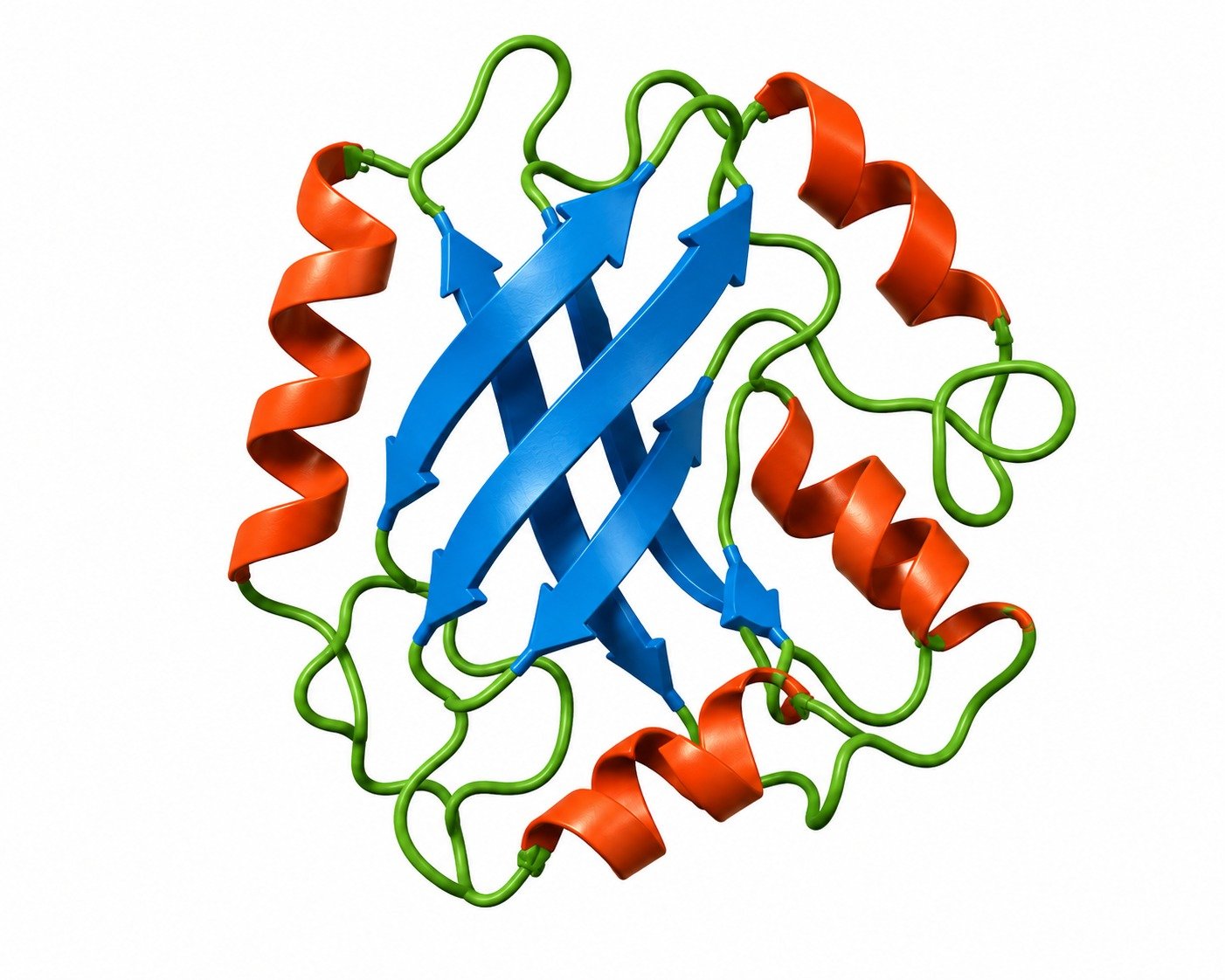
CXCL13 Human Recombinant produced in E.Coli is a single,non-glycosylated, polypeptide chain containing 87 amino acids and having a molecular mass of 10.3 kDa. The BCA-1 is purified by proprietary chromatographic techniques. BCA-1 is a CXC chemokine that is highly expressed in thesecondary lymphoid organs, such as follicles of the spleen, lymph nodes, and Peyer's patches. CXCL13 promotes the migration of B lymphocytes (compared to T cells and macrophages), by stimulating calcium influx into, and chemotaxis of, cells expressing Burkitt's lymphoma receptor 1 (BLR1). BCA1 therefore function in the homing of B lymphocytes to follicles.
 Active
IL-9 (PGEX-6P-1)
Active
IL-9R (PGEX-6P-1)
Interleukin-9 Human Recombinant produced in E.Coli is a single, non-glycosylated single polypeptide chain containing 127 amino acids and having a molecular mass of 14,004 Dalton. The IL-9 is purified by proprietary chromatographic techniques. Factor that is thought to be a regulator of hematopoiesis. It has been shown to enhance the growth of human mast cells and megakaryoblastic leukemic cells as well as murine helper t-cell clones. IL-9 is a glycoprotein with a molecular weight of 32-39 that is derived from T-cells, and maps to human chromosome 5.
Active
IL-18RAP
Active
IL-18R1
Active
IL-18
Interleukin-18 Human Recombinant produced in E.Coli is a single, non-glycosylated polypeptide chain containing 157 amino acids and having a molecular mass of 18302 Dalton. The IL-18 is purified by proprietary chromatographic techniques. IL-18 is a proinflammatory cytokine. This cytokine can induce the IFN-gamma production of T cells. The combination of this cytokine and IL12 has been shown to inhibit IL4 dependent IgE and IgG1 production, and enhance IgG2a production of B cells. IL-18 binding protein (IL18BP) can specifically interact with this cytokine, and thus negatively regulate its biological activity.
Active
IL24-1 (PGEX-6P-1)
Active
IL11RA (PGEX-6P-1)
Active
IL22RA2
Active
IL9R
Active
IL-17E
Interleukin-17E Human Recombinant produced in E.Coli is a homodimeric, non-glycosylated polypeptide chain containing 146 amino acids and having a molecular mass of 33.7 kDa. The IL-25 Human is purified by proprietary chromatographic techniques. IL-25 also called IL-17E cytokine has a sequence similarity with IL17. IL-17E indluces NF-kappaB activation, and stimulates the production of IL-8. IL17E and IL17B are ligands for the cytokine receptor IL17BR. IL-25 is a proinflammatory cytokine favoring Th2-type immune response. The upregulation of costimulation-induced IL-17E receptors and release of cytokines and chemokines from IL-17E treated costimulated Th cells are differentially regulated by intracellular JNK, p38 MAPK and NF-kappaB activity. Blocking Iinterleukin-25 prevents airway hyperresponsiveness, a critical feature of clinical asthma. IL25 produced by innate effector eosinophils and basophils increase the allergic inflammation by enhancing the maintenance and functions of TSLP-DC activated adaptive Th2 memory cells. Over expression of IL-25 up-regulates gene expression of Th2 cytokines and induces growth retardation, jaundice, and multiorgan inflammation in a transgenic mouse model. IL-25 contributes to the induction and maintenance of eosinophilic inflammation by acting on lung fibroblasts which supports the fact that IL-17E is an important factor in asthma
pathophysiology. IL-17E operates by amplifying TH2 cell-mediated allergic airway inflammation but doesn't induce allergic inflammation in vivo.
Active
IL-17A
Interleukin-17A Human Recombinant produced in E.Coli is a homodimeric, non-glycosylated polypeptide chain containing a total of 264 amino acids (2 chains of 132 aa) and having a molecular mass of 31kDa. The IL-17 is purified by proprietary chromatographic techniques. IL17 is a proinflammatory cytokine produced by activated T cells. IL-17 regulates the activities of NF-kappaB and mitogen-activated protein kinases. Interleukin-17 can stimulate the expression of IL6 and cyclooxygenase-2 (PTGS2/COX-2), as well as enhance the production of nitric oxide (NO). High levels of IL-17 are associated with several chronic inflammatory diseases including rheumatoid arthritis, psoriasis and multiple sclerosis.
Active
IL-6RB
Active
IL1R2
Active
IL1B
Active
IL1R1
Active
IL-1A
Interleukin-1 alpha Human Recombinant produced in E.Coli is single, a non-glycosylated, Polypeptide chain containing 159 amino acids and having a molecular mass of 18022 Dalton. The IL-1A is purified by proprietary chromatographic techniques. IL-1 alpha is produced by activated macrophages, stimulates thymocyte proliferation by inducing il-2 release, b-cell maturation and proliferation, and fibroblast growth factor activity. IL1A proteins are involved in the inflammatory response, being identified as endogenous pyrogens, and are reported to stimulate the release of prostaglandin and collagenase from synovial cells.
Active
IL-21
Active
Interleukin-31 / IL31
IL-31 human recombinant produced in E.Coli is a single, non-glycosylated, polypeptide chain containing 141 amino acids (24-164 a.a.) and having a molecular mass of 15.8 kDa. IL-31 produced by activated Th2-type T cells, cooperates with a heterodimeric receptor consisting of IL-31 Receptor Anatagonist and Onconstatin-M Receptor that is continuesly expressed on epithelial cells and keratinocytes. IL-31 plays a role in the promotion of allergic skin disorders and in regulating other allergic diseases, such as asthma. IL-31 is involved in the itching sensation and endorses the scratching behavior in NC/Nga mice with atopic dermatitis. IL-31 expression is connectd with CLA(+) T cells and contributes to the development of atopic dermatitis-induced skin inflammation and pruritus. IL-31 is a powerful inducer of proinflammatory mediators in human colonic SEMFs. IL-31 takes part as a proinflammatory cytokine derived from Th2 cells.Serum IL-31 level is higher in patients with atopic dermatitis. IL-31 is involved in a broad range of immune- & non-immune cells & possesses potential pleiotropic physiological functions, including regulating hematopoiesis & immune response, causing inflammatory bowel disease, airway hypersensitivity & dermatitis.
Active
Interleukin 6
Active
Interleukin 18
Active
Interleukin-7
Active
Interleukin-10
Active
Interleukin-6
Active
Interleukin-5
Active
Interleukin-4
Active
Interleukin-3
Active
Interleukin-2
Active
Interleukin-15
Active
Interleukin-12 beta
Active
Interleukin-16
Active
Interleukin-23, alpha, p19
 Active
TGFB1-2
Active
HGF-1
Active
EGF-2
Active
EGF-1
Active
FGF2
Active
NGF
Active
IGFB7
Active
IGFB2
Active
IGFB1
Active
FGF21
Active
PDGF-Beta
Active
HGF
Active
TGF Alpha
 Active
NexGen proteinase k
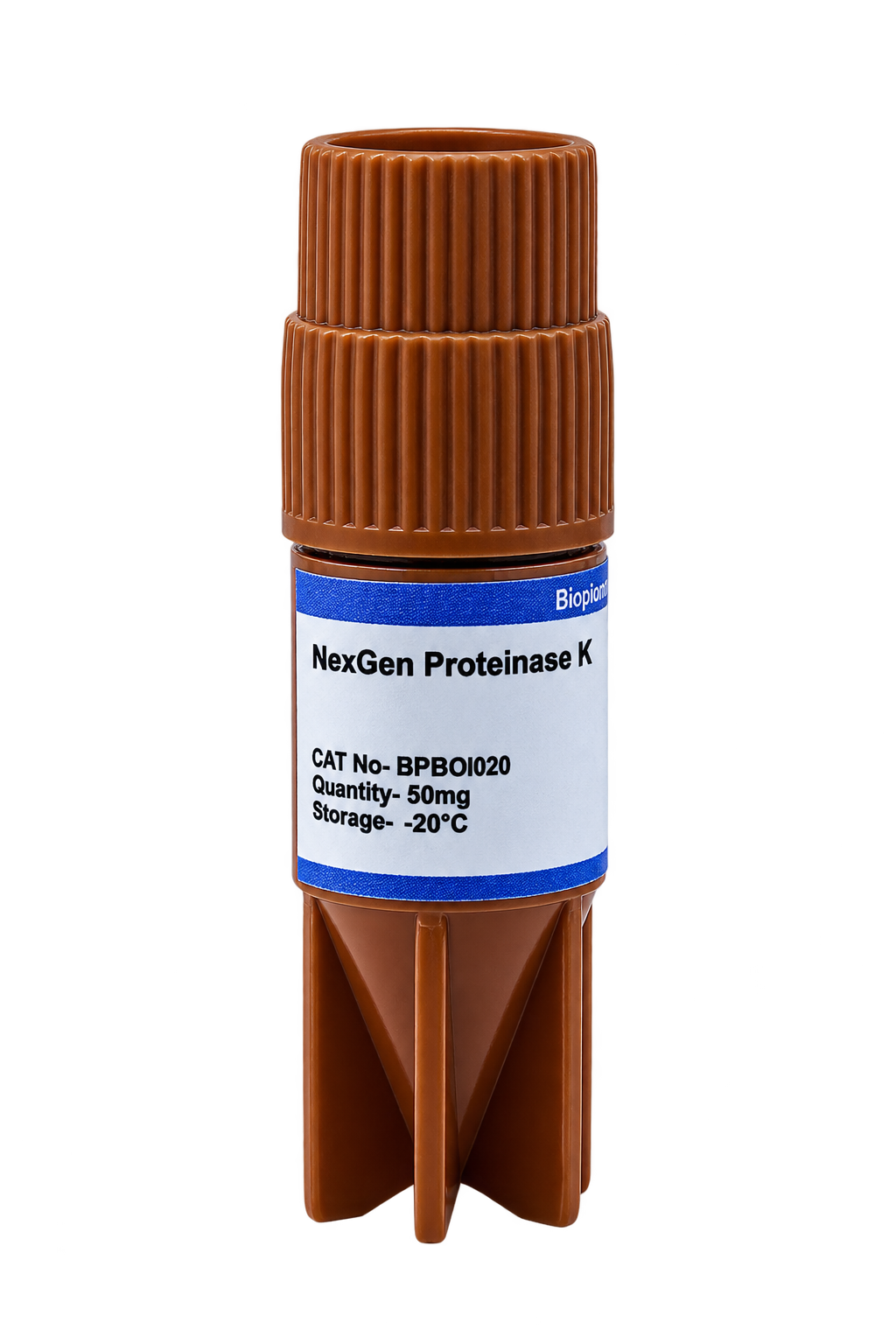
NexGen Proteinase K is a highly efficient serine protease that exhibits broad substrate specificity. It is
commonly used for the digestion of proteins, including those resistant to other proteases, and is especially
effective in removing nucleases from DNA and RNA preparations. This enzyme works over a wide range
of temperatures and pH levels, making it versatile for various molecular biology applications.
Trypan blue 0.4% solution
1Xtbs 1% casein blocker solution
DEPC Treated water
 Active
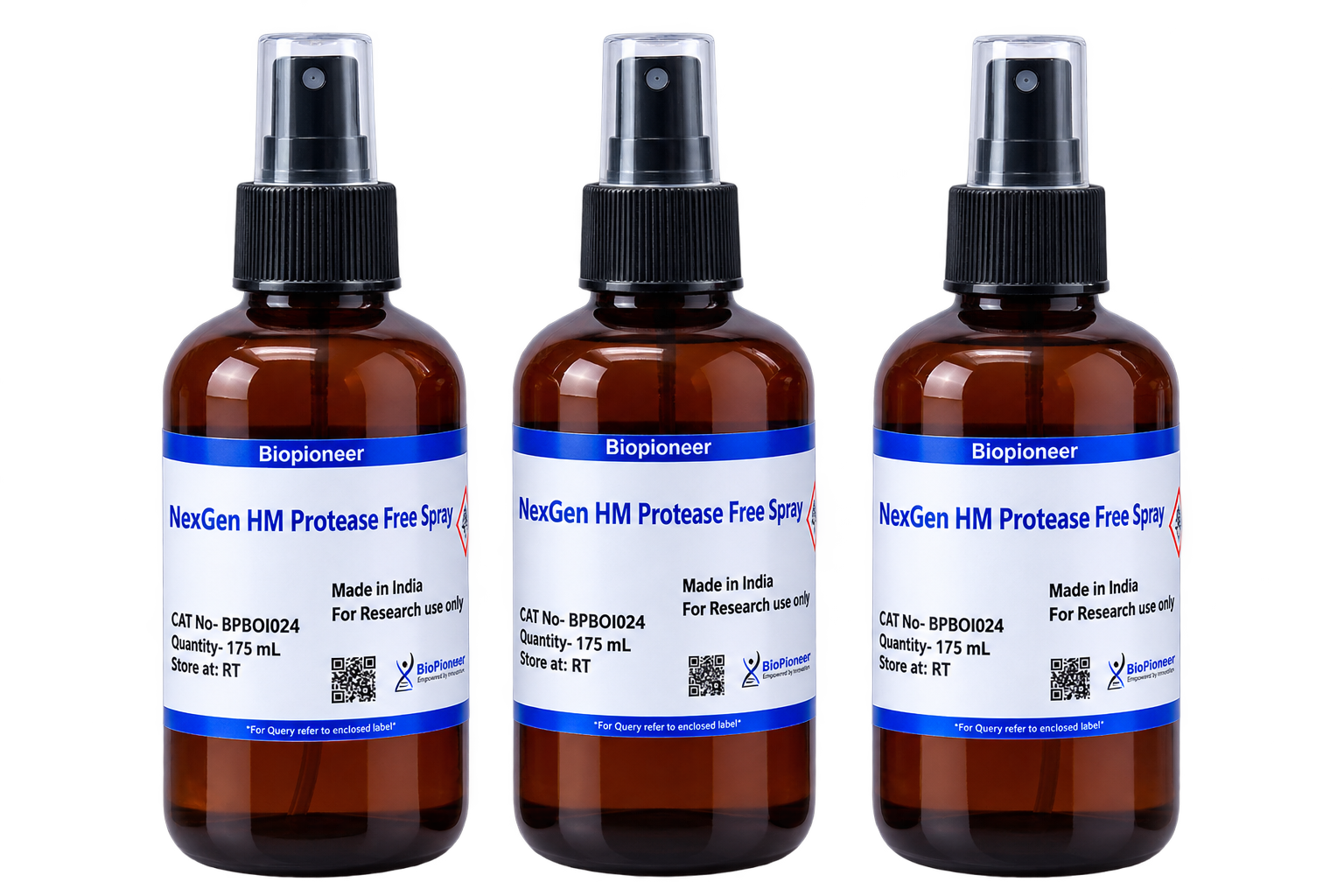
NexGen HM Protease free sparay
Trypspin inhibitor solution animal component free
Trypsin inhibitor solution sterile-filtered, suitable for cell culture
 Active
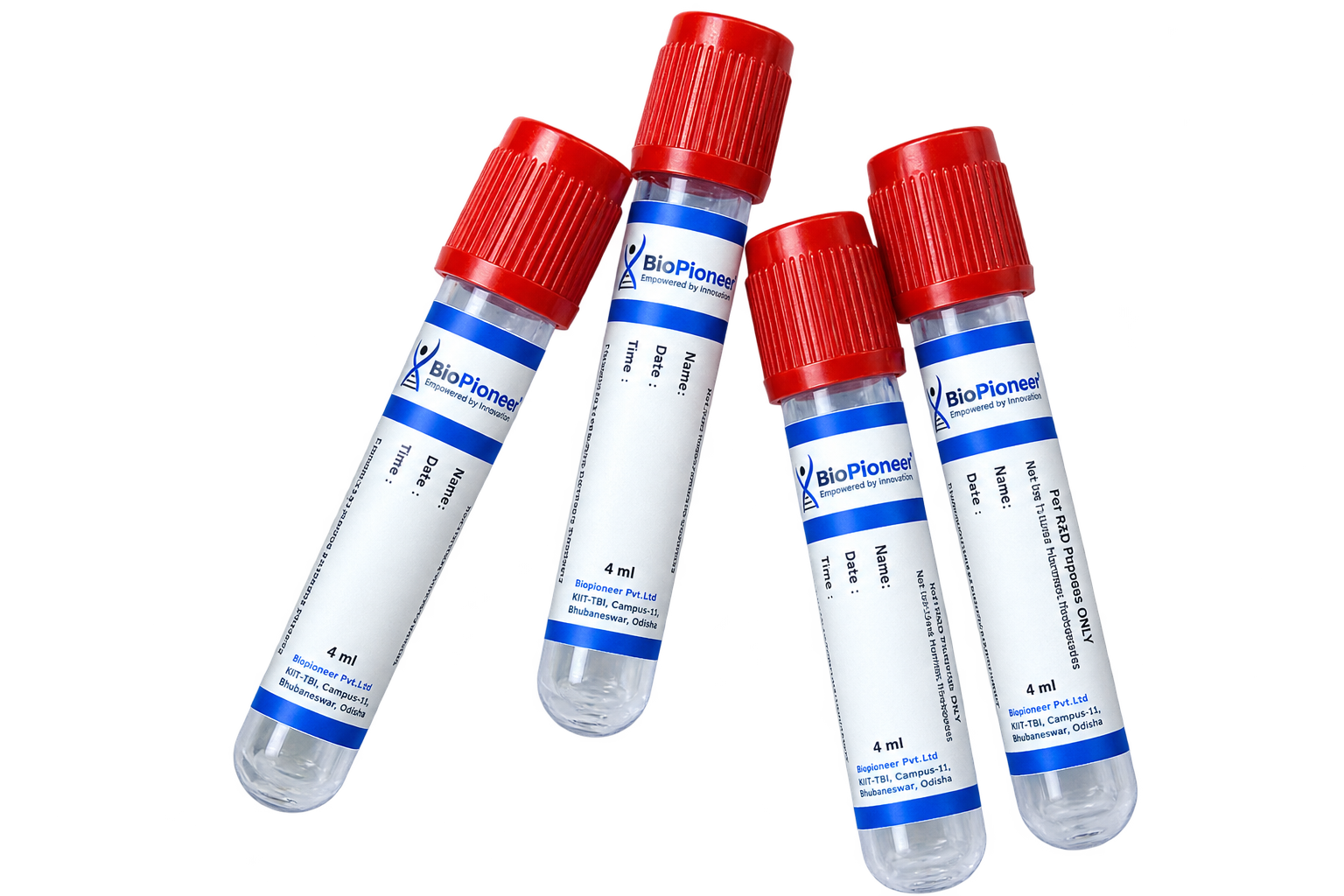
blood Collection system with nexGen HM Protease inhibitor
 Active
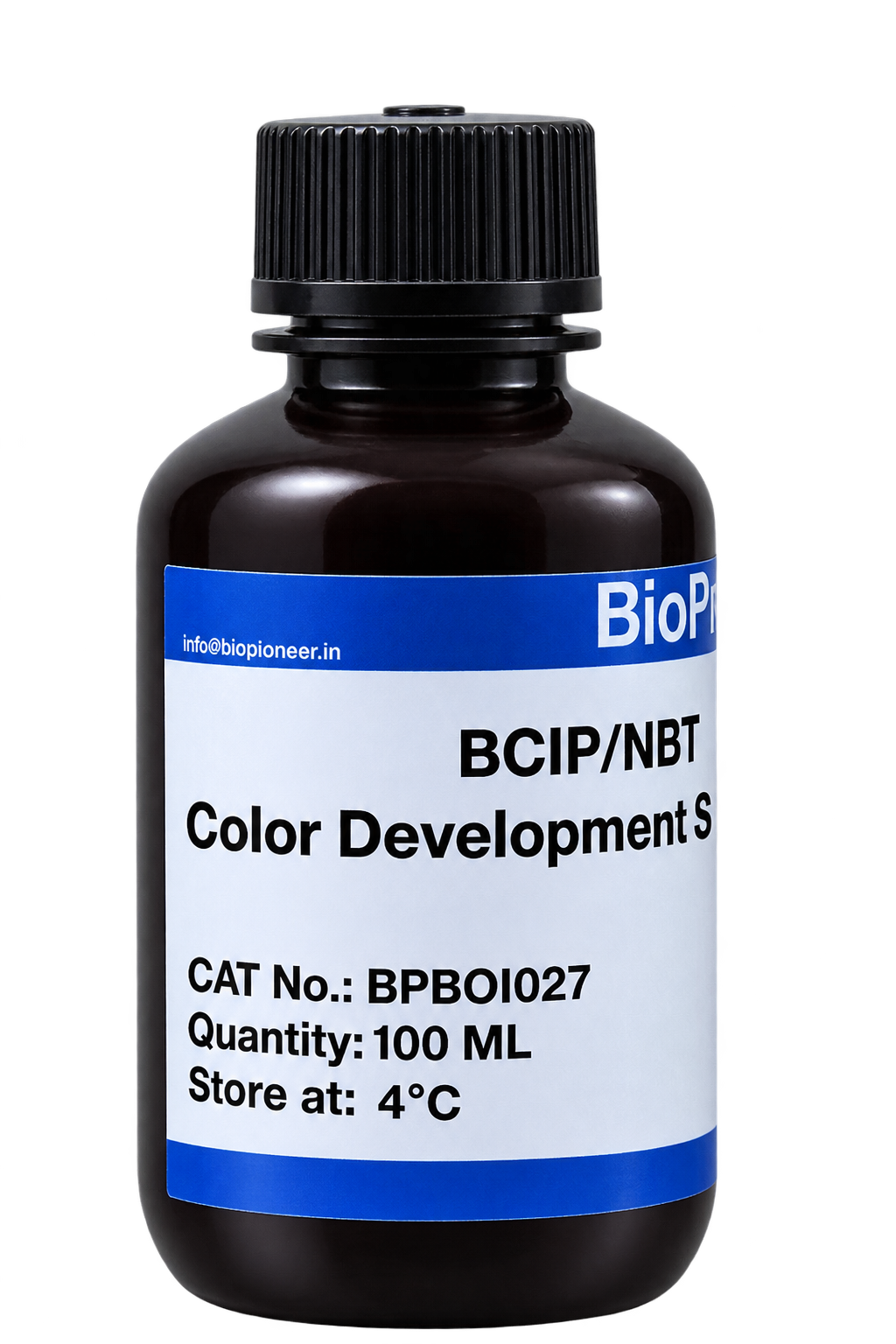
BCIP/NBT Colour Development substrate
NexGen Protease inhibition Assay kit
 Active
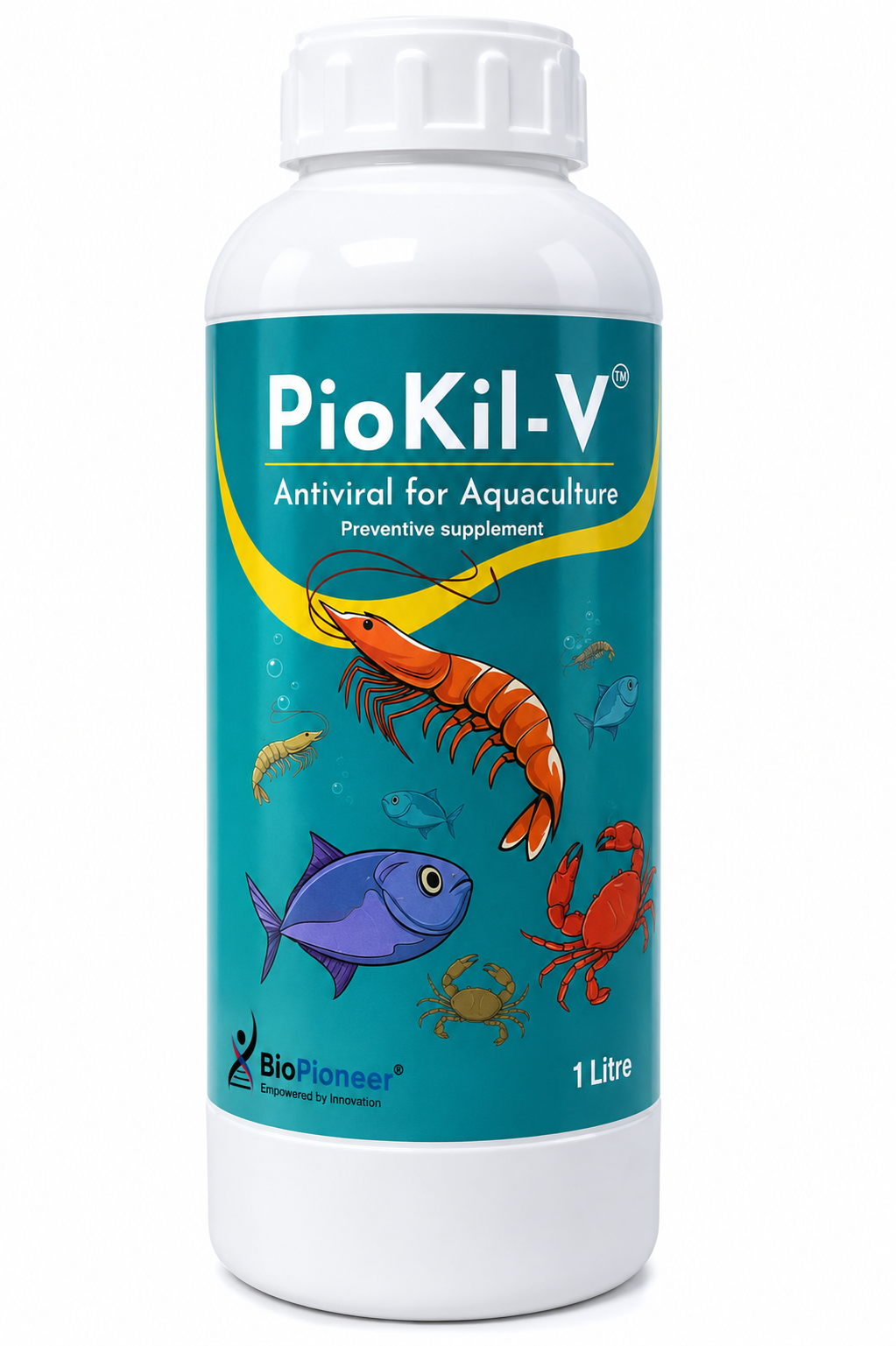
PioKil-V for Aquaculture
PioKil-V™ Aqua is an innovative biotechnology-based aquaculture solution developed to support aquatic animal health and help manage viral challenges in aquaculture systems. Powered by BioPioneer’s research-driven approach, it is designed to provide broad-spectrum support against viral threats that can affect shrimp and other aquatic animals, including White Spot Syndrome Virus (WSSV).
 Active
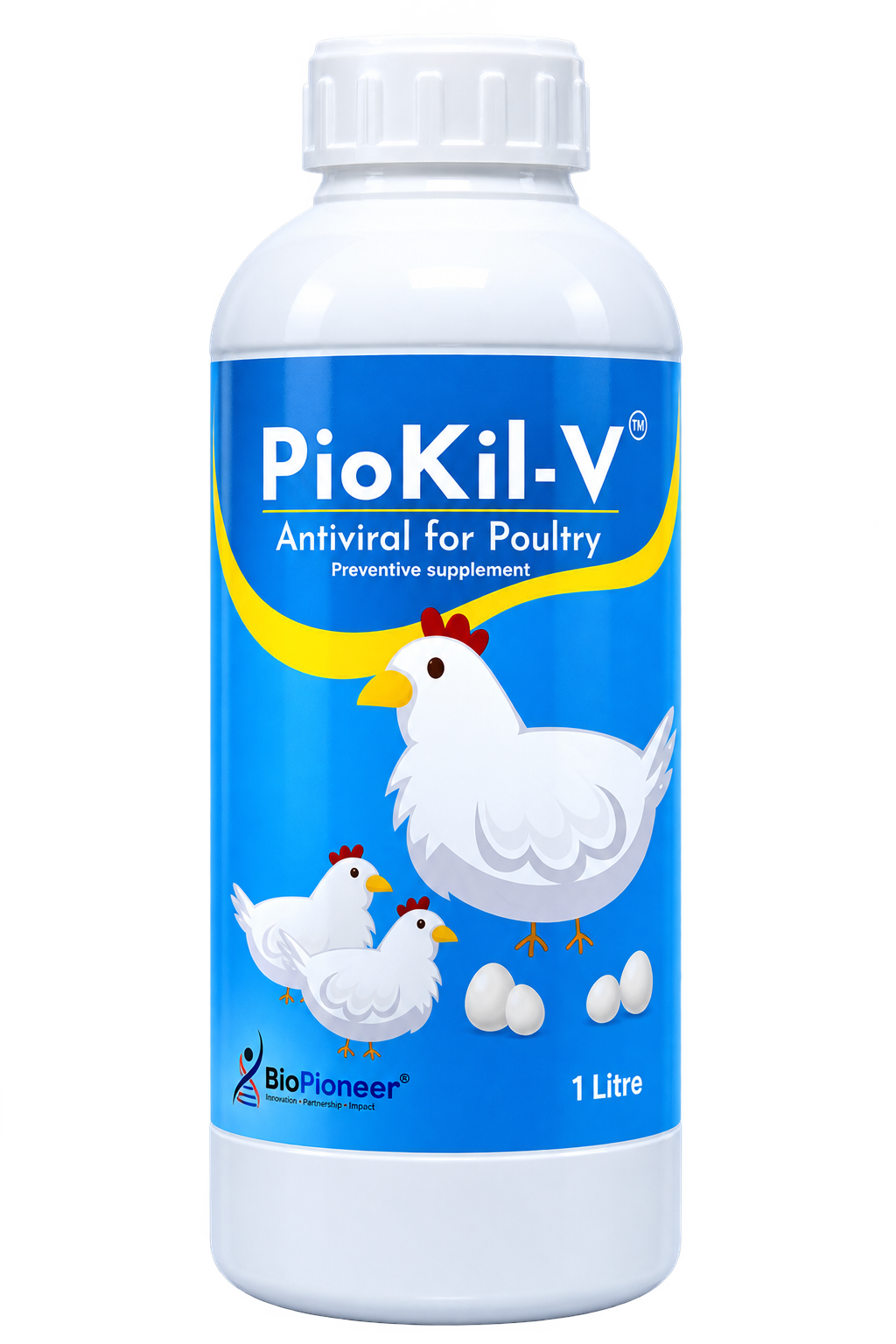
PioKil-v for Poultry
PioKil-V (Antiviral for Poultry) is an antiviral solution specifically formulated for Poultry health
management, with a focus on the prevention and control of economically important viral infections,
including Newcastle Disease Virus (NDV), Infectious Bursal Disease Virus (IBDV), and Avian Influenza
Virus (AIV)
VEGF
Vascular Endothelial Growth Factor Human Recombinant produced in E.Coli is a double, nonglycosylated, polypeptide chain containing 165 amino acids and having a molecular mass of 38231 Dalton.The VEGF is purified by proprietary chromatographic techniques.
TGF b 3
TGF-beta 3 Human Recombinant produced in E.Coli is a disulfide-linked homodimeric, nonglycosylated, polypeptide chain containing two 112 amino acid chains and having a total molecular mass of 25.5kDa.
TGF b 2
TGFB2 Human Recombinant produced in plants is a homodimeric polypeptide chain containing 2 x 118 amino acids and having a total molecular mass of 27.08kDa.
TGF b 1
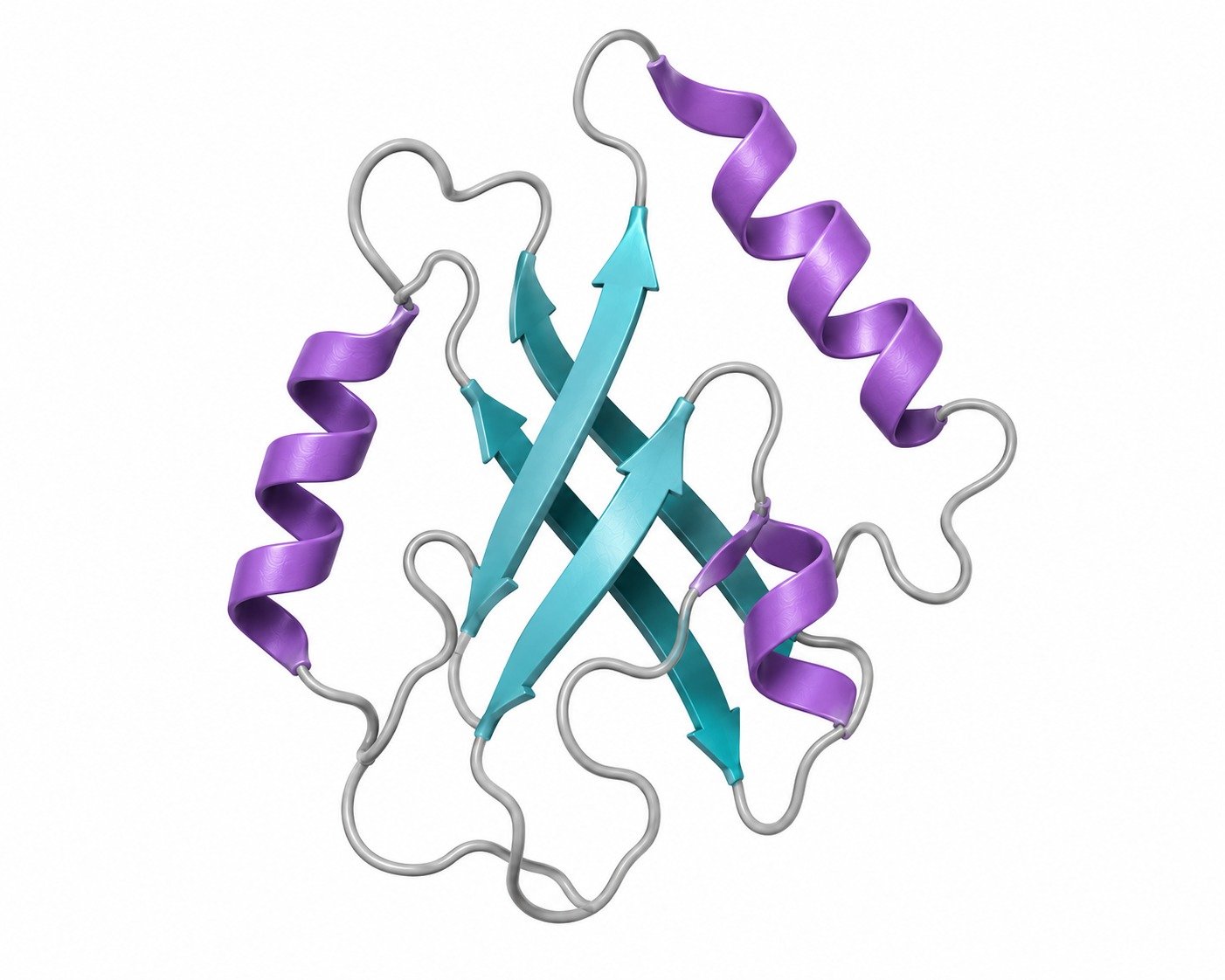
TGF-b 1 Human Recombinant produced in E.Coli is a single, non-glycosylated, polypeptide chain containing 113 amino acids (279-390 a.a.) and having a total molecular mass of 12.9 kDa.
 Active
PLGF 1
Placenta Growth Factor-1 Human Recombinant produced in insect cells is a homodimer, glycosylated polypeptide chain containing 2 x 131 amino acids and having a total molecular mass of approximately 34 kDa.
Western Blot Transfer Buffer,10x
Western Blot Transfer Buffer is a critical component in the Western blotting process, used for the effective transfer of proteins from polyacrylamide gels to nitrocellulose or PVDF membranes. This buffer provides the appropriate ionic strength and pH conditions necessary for the efficient transfer of proteins, ensuring high-quality and reproducible results in downstream detection processes.
 Active
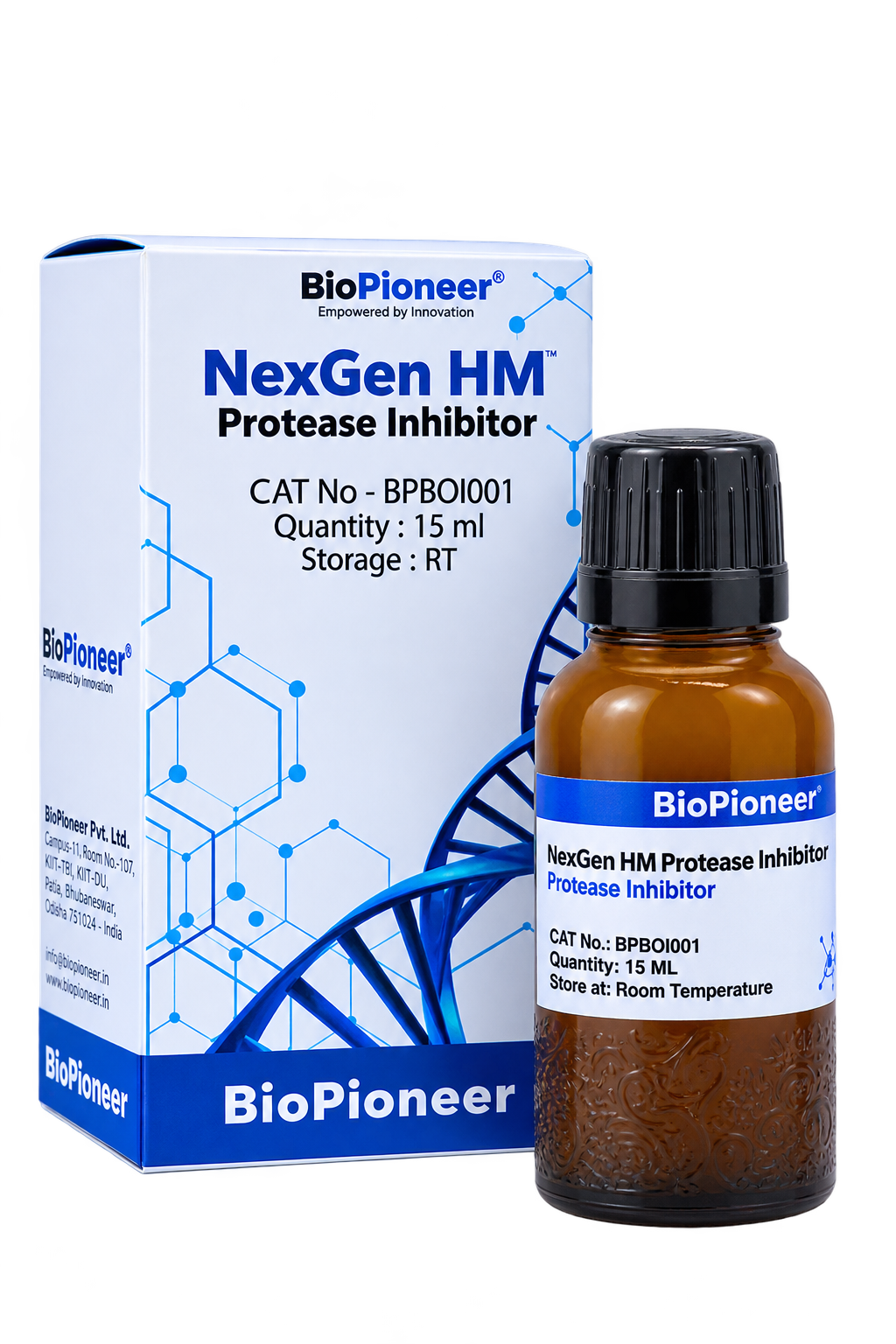
NexGen HM Protease Inhibitor
NexGen HM™ Protease Inhibitor delivers powerful, broad-spectrum protection against unwanted proteolytic activity during cell lysis and protein isolation. Its non-toxic formulation effectively inhibits 16+ proteases across multiple classes, helping prevent protein degradation, preserve sample integrity, and improve protein recovery.
Tris-Glycine SDS Running Buffer
Tris-Glycine SDS Running Buffer is a staple in SDS-PAGE (Sodium Dodecyl Sulfate-Polyacrylamide
Gel Electrophoresis), used for the separation of proteins based on their molecular weight.
TE Buffer
Tris-EDTA (TE) buffer is commonly used in molecular biology laboratories for the preparation, storage,
and protection of nucleic acid samples. It provides a stable alkaline environment that helps maintain the
integrity of DNA and RNA during experimental procedures.
TBE Buffer
Tris-Borate-EDTA (TBE) buffer is widely utilised in DNA agarose gel electrophoresis as the gel matrix
and running buffer. It is particularly advantageous for high-resolution separation of small DNA
fragments and is often preferred when consistent buffer performance is required over prolonged
electrophoresis runs.
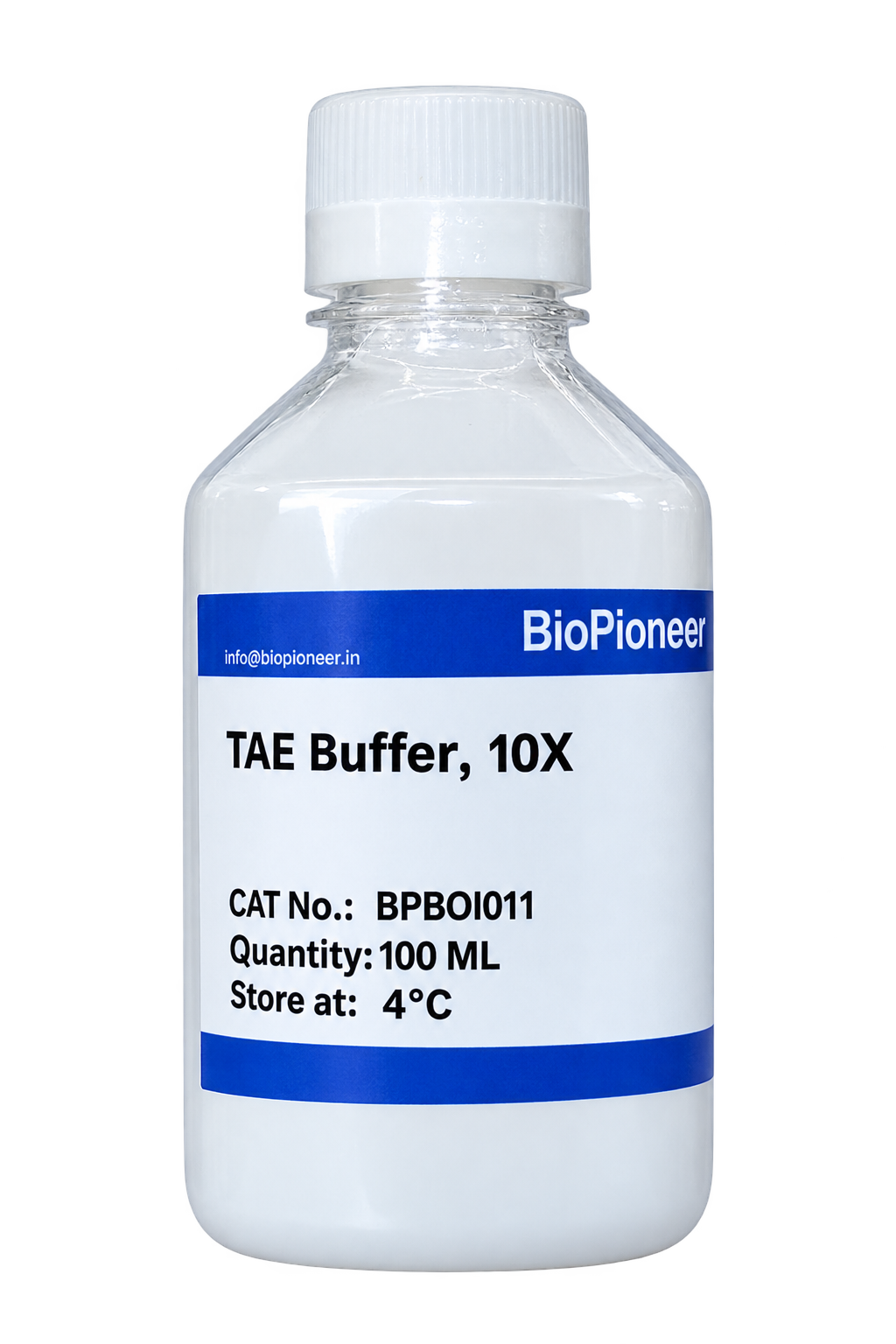
TAE Buffer,50x
Tris-Acetate-EDTA (TAE) buffer is frequently utilized in DNA agarose gel electrophoresis for running
and preparation of the gel. TAE allows for faster separation of linear and double-stranded DNA.
 Active
TAE Buffer
Tris-Acetate-EDTA (TAE) buffer is frequently utilized in DNA agarose gel electrophoresis for running
and preparation of the gel. TAE allows for faster separation of linear and double-stranded DNA.
SDS-PAGE Loading Dye
SDS-PAGE Loading Dye is used for preparing protein samples for sodium dodecyl sulfate-polyacrylamide
gel electrophoresis (SDS-PAGE). This dye contains SDS, which imparts a negative charge to proteins, and
other components that facilitate sample loading and visualization.
 Active
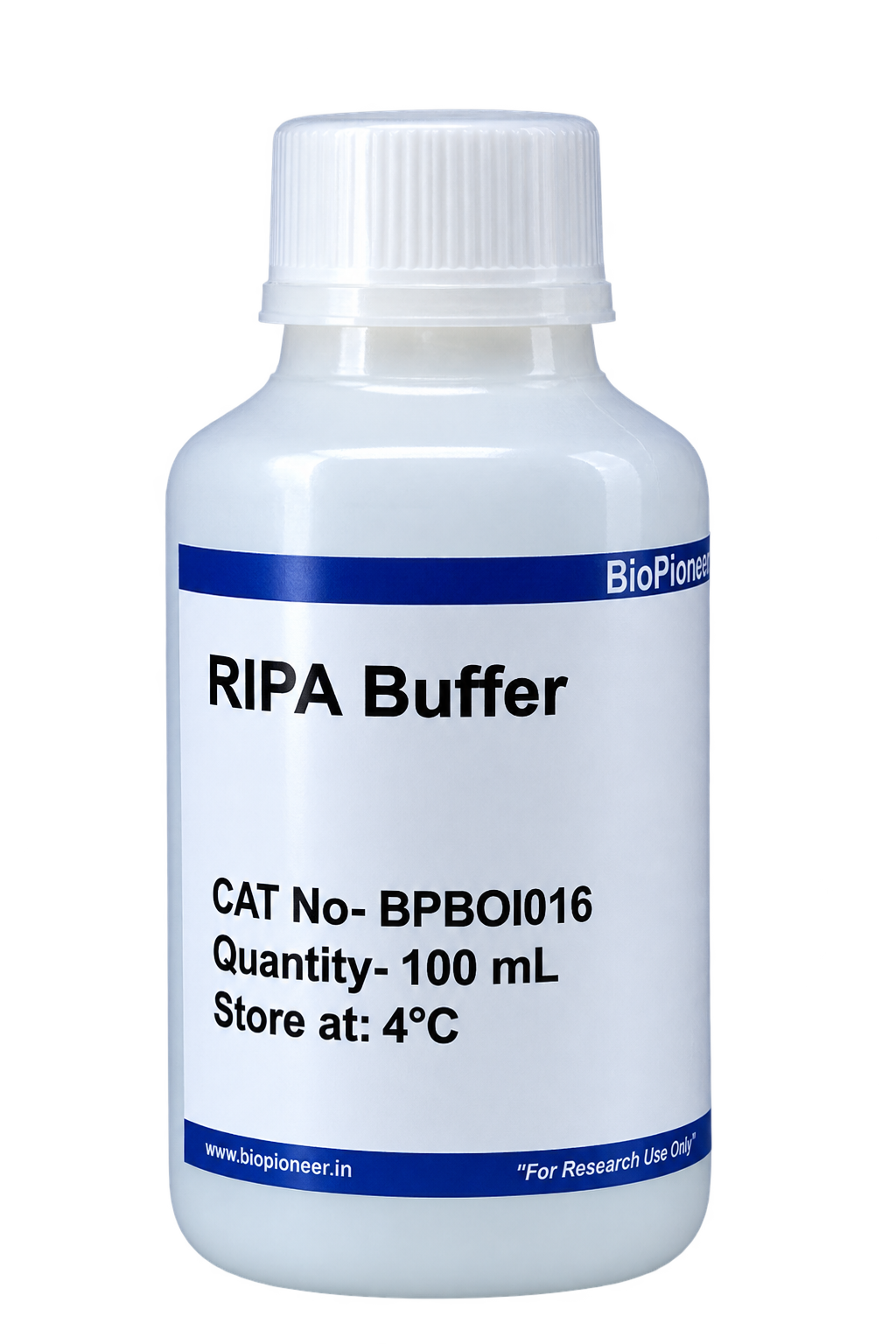
RIPA Lysis Buffer
RIPA (Radio-Immunoprecipitation Assay) Lysis Buffer is a versatile and powerful detergent-based buffer
used for the extraction of total protein, including cytoplasmic, membrane-bound, and nuclear proteins,
from various types of tissues and cultured cells.
RBC Lysis Buffer
PMSF (Phenylmethylsulfonyl Fluoride) is a potent serine protease inhibitor used to prevent proteolytic degradation of proteins during extraction and purification
 Active
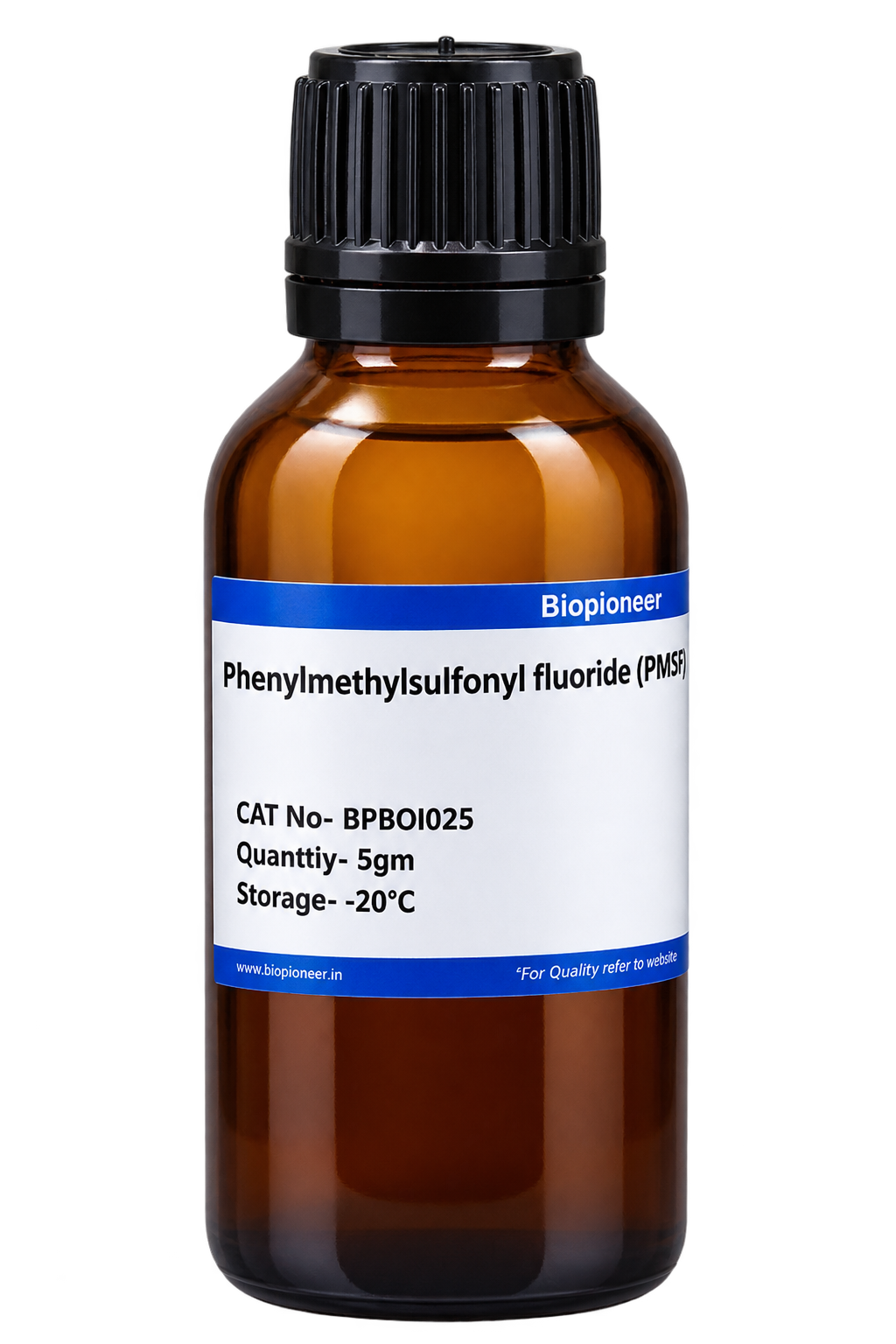
PMSF (Phenylmethylsulfonyl Fluoride)
PMSF (Phenylmethylsulfonyl Fluoride) is a potent serine protease inhibitor used to prevent proteolytic
degradation of proteins during extraction and purification.
 Active
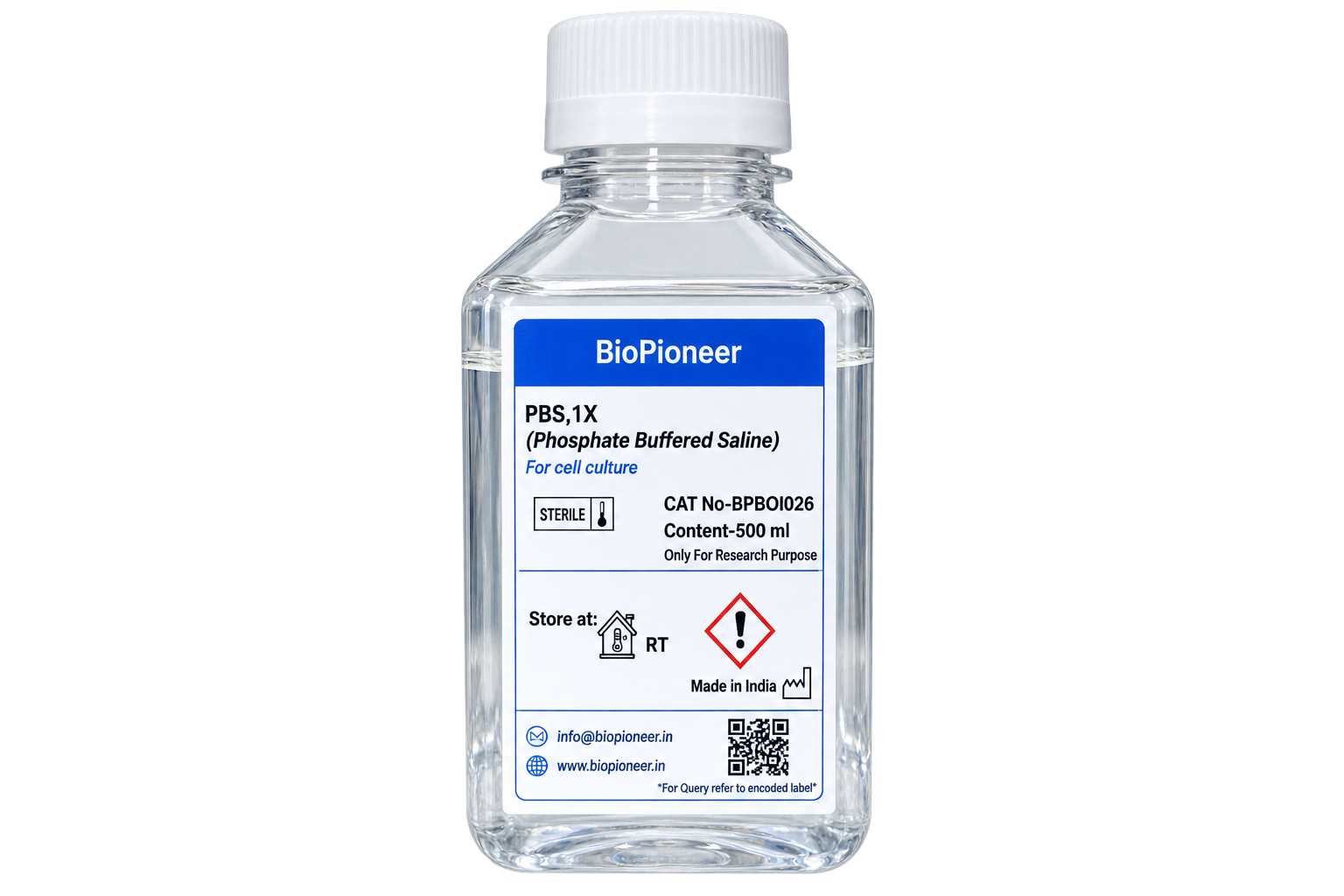
PBS pH 7.4 for Cell Culture
Phosphate-buffered saline (PBS) is a widely used buffer in cell culture due to its isotonic and non-toxic
nature. It maintains a stable pH environment compatible with cellular functions and closely replicates the
osmolarity of human blood, ensuring cell integrity during various laboratory procedures.
NP-40 Tissue Lysis Buffer with Protease inhibitor
NP-40 Tissue Lysis Buffer is a non-denaturing detergent buffer commonly used for the extraction of
proteins, nucleic acids, and other macromolecules from tissues and cells. This buffer is specifically
formulated to gently disrupt cell membranes while preserving the native structure and biological activity
of proteins. NP-40, a nonionic surfactant, is the key component that facilitates efficient lysis of cellular
membranes without denaturing the proteins, making this buffer ideal for applications requiring intact
protein complexes or enzymatic activity.
 Active
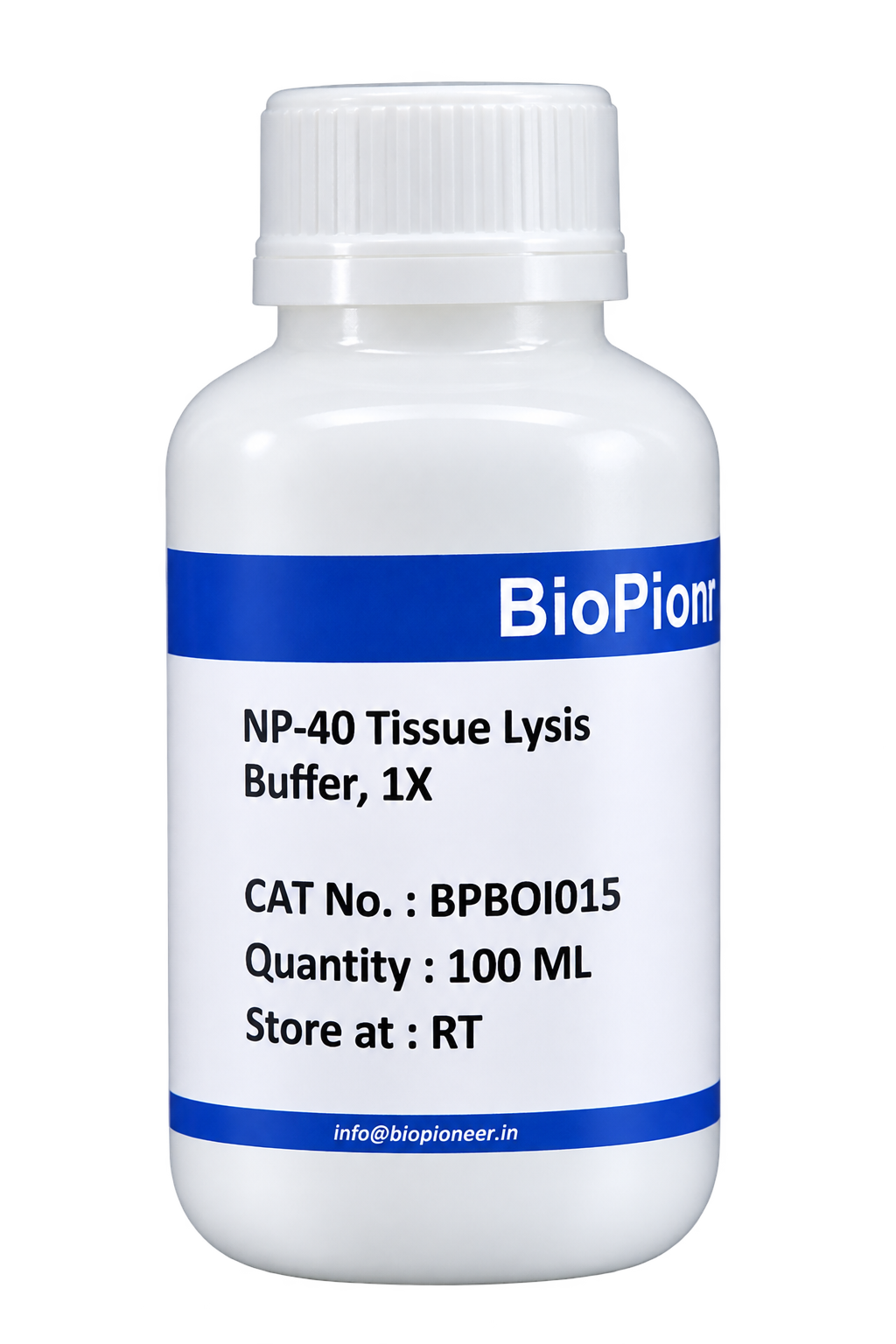
NP-40 Tissue Lysis Buffer
NP-40 Tissue Lysis Buffer is a non-denaturing detergent buffer commonly used for the extraction of
proteins, nucleic acids, and other macromolecules from tissues and cells.
NexGen Proteinase K
NexGen Proteinase K is a highly efficient serine protease that exhibits broad substrate specificity. It is
commonly used for the digestion of proteins, including those resistant to other proteases, and is especially
effective in removing nucleases from DNA and RNA preparations.
NexGen HM RIPA Buffer with Protease Inhibitor
Introduction:
NexGen HM RIPA (Radio-Immunoprecipitation Assay) Buffer with Protease Inhibitor is a powerful and
versatile lysis buffer designed for the efficient extraction of total proteins from various cell and tissue types.
This buffer is pre-formulated with a robust protease inhibitor, providing broad-spectrum protection against
proteolytic degradation.
 Active
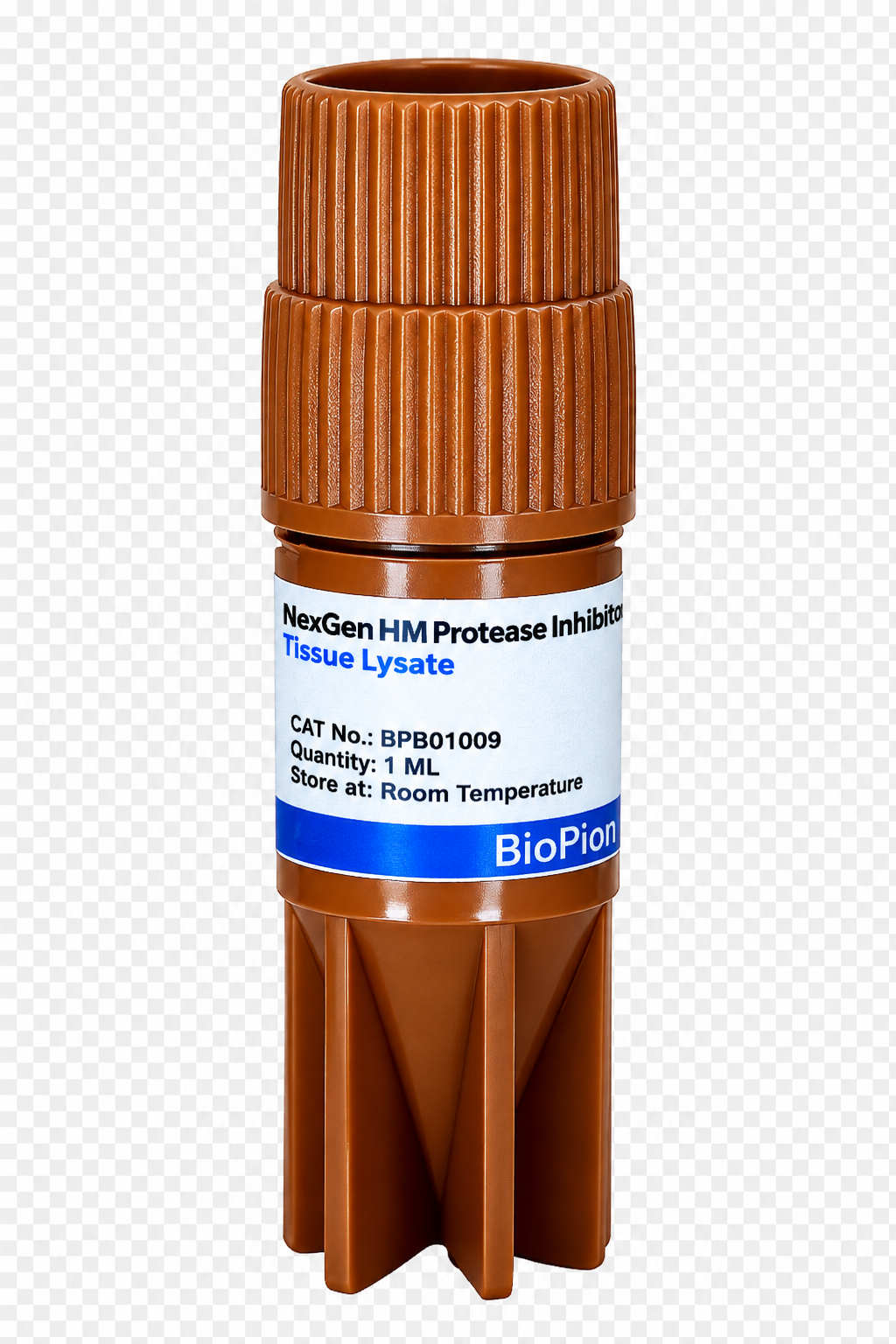
NexGen HM Protease Inhibitor for Tissue Lysate
NexGen HM Protease Inhibitor for Tissue Lysate is a highly potent inhibitor designed to protect proteins
from proteolytic degradation during tissue lysis. This inhibitor mix is optimized for use in tissue lysates,
providing broad-spectrum inhibition of serine, cysteine, and metalloproteases.
NexGen HM Protease Inhibitor for Mammalian Cell Lysate
NexGen HM Protease Inhibitor for Mammalian Cell Lysate is a premium inhibitor formulated to prevent
proteolytic degradation during the lysis of mammalian cells. It’s providing broad-spectrum inhibition of
serine, cysteine, metalloproteases, aspartic, glutamic & threonine classes of protease enzyme ensuring the
preservation of protein integrity during cell lysis.
 Active
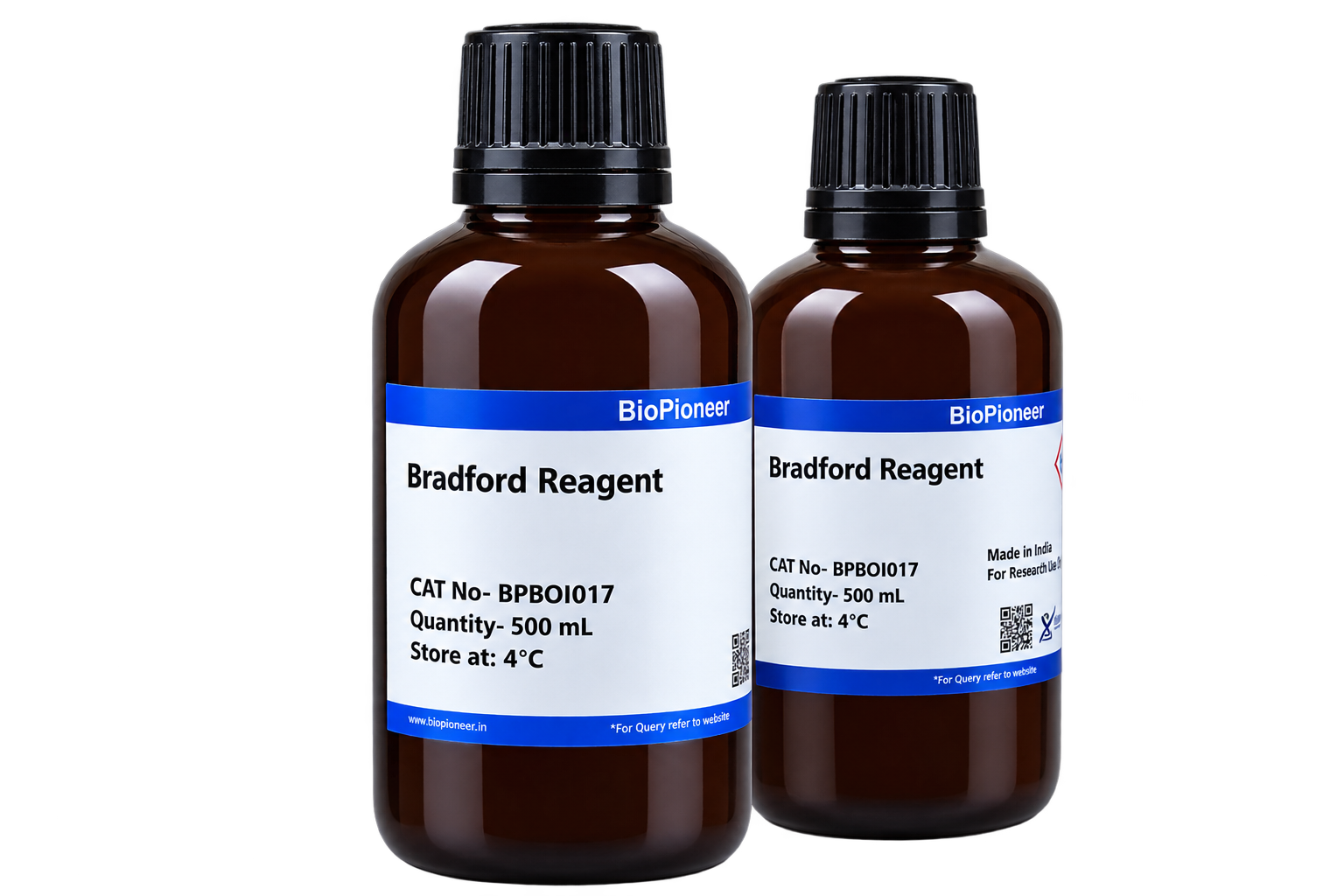
bradford-reagent
The Biopioneer Bradford reagent is a quick and well-known Bradford Coomassie-binding,
colorimetric method for total protein quantitation. When Coomassie dye binds protein in an
acidic medium, an immediate shift in absorption maximum occurs from 465 nm to 595 nm with
a concomitant color change from brown to blue.
NexGen HM Phosphatase Inhibitor
Endogenous proteins are produced and removed in a balanced state, so their cellular levels are generally
stable under stable environmental conditions. However, protein degradation is enhanced when cells are
studied invitro.
Active
FGF23
Fibroblast Growth Factor 23 Human Recombinant produced in
E.Coli is a single, non glycosylated polypeptide chain containing a total of 228 amino acids
and having a molecular mass of 22.5kDa. The FGF 23 is and purified by chromato graphic
techniques. FGF