
Innovative Solutions for Life Science & Biotechnology
Explore our research-driven portfolio of recombinant proteins, research products and applied biotechnology solutions developed to support scientific advancement.
Tris-Glycine SDS Running Buffer
Product Description
The Tris-Glycine SDS Running Buffer is composed of Tris base, glycine, and SDS (Sodium Dodecyl
Sulfate). Once dissolved in distilled water, it provides a stable pH environment (approximately 8.3)
crucial for the denaturation and uniform migration of proteins during SDS-PAGE. The pre-mix powder is
designed for convenience, ensuring that the buffer can be prepared quickly and accurately, reducing
preparation time and minimizing errors.
Applications
SDS-PAGE: Ideal for separating denatured proteins by molecular weight.
Storage
TE Buffer
Product Description
TE Buffer, composed of Tris-HCl and EDTA, is a reliable buffering solution designed for handling and
preserving nucleic acids. Tris maintains a consistent pH, while EDTA chelates divalent metal ions such as
Mg²⁺ and Ca²⁺, thereby inhibiting nuclease activity. TE buffer is widely used for dissolving DNA pellets,
storing plasmid DNA, genomic DNA, and RNA samples, and supporting various downstream molecular
biology applications including PCR, cloning, sequencing, and electrophoresis.
Applications
DNA & RNA Storage: Ideal for the long-term storage and preservation of plasmid DNA, genomic
DNA, and other nucleic acid samples.
Storage
TBE Buffer
Product Description
TBE Buffer, standing for Tris-Borate-EDTA, is a staple in molecular biology for the electrophoresis of
nucleic acids, including DNA and RNA. It provides a stable pH environment and an appropriate ionic
strength, ensuring effective migration of nucleic acids through the agarose gel. This buffer is especially
suitable for analytical and preparative electrophoresis, where the resolution of smaller DNA fragments is
critical.
Applications
DNA and RNA Analysis: Frequently used in experiments requiring precise DNA and RNA band
resolution.
Storage
TAE Buffer,50x
Product Description
TAE Buffer, which stands for Tris-Acetate-EDTA, is a commonly used electrophoresis buffer for
separating nucleic acids, such as DNA and RNA, in agarose gel electrophoresis. It provides an optimal pH
environment and ionic strength for the effective migration of nucleic acids through the gel matrix, ensuring
high-resolution separation of DNA fragments.
Applications
Nucleic Acid Electrophoresis: Suitable for both analytical and preparative gel electrophoresis of
nucleic acids.
Storage
TAE Buffer
Product Description
TAE Buffer, which stands for Tris-Acetate-EDTA, is a commonly used electrophoresis buffer for
separating nucleic acids, such as DNA and RNA, in agarose gel electrophoresis. It provides an optimal pH
environment and ionic strength for the effective migration of nucleic acids through the gel matrix, ensuring
high-resolution separation of DNA fragments.
Applications
DNA Recovery: Often used in procedures where DNA fragments need to be recovered from gels
after electrophoresis.
Storage
SDS-PAGE Loading Dye
Product Description
The SDS-PAGE Loading Dye (4X) is a concentrated solution. SDS is a detergent that denatures proteins
and imparts a negative charge, allowing for their separation based on size during electrophoresis. The
glycerol ensures that the samples sink into the wells of the gel, and bromophenol blue provides visual
tracking of the sample during electrophoresis.
Applications
Gel Electrophoresis: Assisting in the loading of protein samples into gel wells and tracking their
progress during electrophoresis.
Storage
RIPA Lysis Buffer
Product Description
RIPA Lysis Buffer is a highly efficient lysis buffer composed of a combination of detergents (including
SDS and sodium deoxycholate), salts, and chelating agents. This unique composition allows for the
comprehensive disruption of cell membranes and the release of total protein content from cells and tissues.
The buffer is especially useful for applications where the extraction of both soluble and membrane proteins
is required. Additionally, RIPA buffer minimizes protein degradation and preserves protein-protein
interactions, making it ideal for downstream analysis of protein complexes.
Applications
Western Blotting: Compatible with Western blotting protocols for detecting a wide range of
proteins.
Storage
RBC Lysis Buffer
Product Description
BioPioneer’s PMSF is a high-purity protease inhibitor essential for maintaining protein quality in biochemical applications. With strong specificity toward serine proteases, PMSF effectively inactivates protease activity to prevent unwanted protein degradation. PMSF is provided as a crystalline solid and should be prepared fresh in isopropanol, ethanol, or DMSO to achieve optimal inhibitory effects during protein extraction.
Applications
Enzyme Assays: Preserves proteins for downstream assays requiring the maintenance of active proteins.
Storage
PMSF (Phenylmethylsulfonyl Fluoride)
Product Description
BioPioneer’s PMSF is a high-purity protease inhibitor essential for maintaining protein quality in
biochemical applications. With strong specificity toward serine proteases, PMSF effectively inactivates
protease activity to prevent unwanted protein degradation. PMSF is provided as a crystalline solid and
should be prepared fresh in isopropanol, ethanol, or DMSO to achieve optimal inhibitory effects during
protein extraction.
Applications
Enzyme Assays: Preserves proteins for downstream assays requiring the maintenance of active
proteins.
Storage
PBS pH 7.4 for Cell Culture,10x
Product Description
Phosphate-buffered saline (PBS) is a balanced isotonic solution formulated to preserve physiological pH
and osmolarity in cell culture applications. Its composition closely resembles that of human tissues, making
it ideal for washing cells, diluting reagents, and transporting biological samples while maintaining cellular
stability and viability.
Applications
Washing Cells and Tissues: PBS is used to wash cells, removing media and debris without causing
lysis, which is essential before passaging, staining, or analysis.
Storage
PBS pH 7.4 for Cell Culture
Product Description
Phosphate-buffered saline (PBS) is a balanced isotonic solution formulated to preserve physiological pH
and osmolarity in cell culture applications. Its composition closely resembles that of human tissues, making
it ideal for washing cells, diluting reagents, and transporting biological samples while maintaining cellular
stability and viability.
Applications
Washing Cells and Tissues: PBS is used to wash cells, removing media and debris without causing
lysis, which is essential before passaging, staining, or analysis.
Storage
NP-40 Tissue Lysis Buffer with Protease inhibitor
Product Description
NP-40 Tissue Lysis Buffer is composed of NP-40 (Nonidet P-40), a non-ionic detergent, along with other
buffering agents that maintain a stable pH environment during lysis. The buffer is designed to lyse cells
effectively, solubilize membrane proteins, and release cytoplasmic and nuclear contents while minimizing
the risk of protein degradation or denaturation. This makes it suitable for the extraction of functional
proteins, protein complexes, and nucleic acids from tissue samples, cultured cells, and other biological
materials.
Applications
Western Blotting: Compatible with Western blotting protocols where preservation of protein
conformation is critical.
Storage
NP-40 Tissue Lysis Buffer
Product Description
NP-40 Tissue Lysis Buffer is composed of NP-40 (Nonidet P-40), a non-ionic detergent, along with other
buffering agents that maintain a stable pH environment during lysis. The buffer is designed to lyse cells
effectively, solubilize membrane proteins, and release cytoplasmic and nuclear contents while minimizing
the risk of protein degradation or denaturation. This makes it suitable for the extraction of functional
proteins, protein complexes, and nucleic acids from tissue samples, cultured cells, and other biological
materials.
Storage
NexGen Proteinase K
Product Description
NexGen Proteinase K is a robust enzyme that can degrade a wide variety of proteins, including native
proteins, during nucleic acid purification processes. It is active in the presence of SDS, urea, and other
detergents, allowing it to function in complex lysis buffers. NexGen Proteinase K is available in both liquid
and lyophilized forms, ensuring compatibility with different experimental needs.
Applications
DNA/RNA Purification: Efficiently removes proteins during the isolation of nucleic acids from
tissue, cell cultures, and other biological materials.
Storage
NexGen HM RIPA Buffer with Protease Inhibitor
Product Description
NexGen HM RIPA Buffer with Protease Inhibitor is a ready-to-use reagent that combines the potent lysis
capabilities of RIPA buffer with a comprehensive protease inhibitor cocktail. This dual-action buffer
efficiently lyses cells and tissues while simultaneously protecting proteins from degradation by inhibiting
serine, cysteine, aspartic, threonine, glutamic and metalloproteases. NexGen HM RIPA Buffer is optimized
for maximum protein yield and integrity, ensuring high-quality results in downstream applications.
Applications
Immunoprecipitation: Supports the isolation and study of protein complexes with minimal
proteolytic interference.
Storage
NexGen HM Protease Inhibitor for Tissue Lysate
Product Description
NexGen HM Protease Inhibitor for Tissue Lysate is a comprehensive blend of inhibitors that target a wide
range of proteases commonly found in tissue lysates. The inhibitor is formulated to maintain protein
stability by preventing proteolysis during sample preparation. Available as a ready-to-use solution, it is
compatible with a variety of lysis buffers and is especially effective when combined with detergents and
chaotropic agents, ensuring maximal protection of protein samples.
Applications
Immunoprecipitation: Maintains the integrity of protein complexes during immunoprecipitation
assays.
Storage
NexGen HM Protease Inhibitor for Mammalian Cell Lysate
Product Description
NexGen HM Protease Inhibitor is specifically optimized for use with mammalian cell lysates. This potent
inhibitor is designed to provide comprehensive protection against a wide array of proteases that can
compromise protein integrity during the lysis and extraction processes. Supplied as a concentrated, readyto-
use solution, it is compatible with various lysis buffers commonly used in mammalian cell lysis, such
as RIPA and NP-40, ensuring maximum protection and stability of protein samples.
Applications
Protein Extraction: Prevents proteolytic degradation during the extraction of proteins from
mammalian cells, preserving their native conformation and activity.
Storage
bradford-reagent
Product Description
The Biopioneer Bradford reagent is a quick and well-known Bradford Coomassie-binding,
colorimetric method for total protein quantitation. When Coomassie dye binds protein in an
acidic medium, an immediate shift in absorption maximum occurs from 465 nm to 595 nm with
a concomitant color change from brown to blue.
Performing the assay in either a test tube or microplate format is simple: combine a small amount
of protein sample with the assay reagent, mix well, incubate briefly, and then measure the
absorbance at 595 nm. Protein concentrations are estimated by reference to absorbances obtained
for a series of standard protein dilutions, which are assayed alongside the unknown samples.
Because the color response with Coomassie is non-linear with increasing protein concentration,
a standard curve must be completed with each assay.
Storage
NexGen HM Phosphatase Inhibitor
Product Description
Endogenous proteins are produced and removed in a balanced state, so their cellular levels are generally
stable under stable environmental conditions. However, protein degradation is enhanced when cells are
studied invitro. To prevent the degradation of proteins under such conditions, one can utilize a cocktail of
small molecule inhibitors to block the action of proteases. Phosphatase Inhibitor Cocktail (100× in ddH2O)
is a blend of 4 phosphatase inhibitors that can broadly inhibit acid phosphatases, alkaline phosphatases,
serine-threonine and protein tyrosine phosphatases (PTPs). It is used to maintain the phosphorylation status
of proteins. This product can be applied in Western Blot analysis, IP, Co-IP, pull-down, IF, IHC, Kinase
assay and etc.
Applications
Protein Extraction: They are used during cell and tissue lysis to prevent the removal of phosphate groups from proteins, preserving the native phosphorylation state critical for proper protein function and analysis.
Key Features
This product is specifically composed of a phosphatase inhibitor which is effective for acid phosphatase,
protein tyrosine phosphatase, alkaline phosphatase, serine-threonine and tyrosine phosphatase.
Specifications
Phosphatase inhibitor cocktails contain various compound such as sodium fluoride, sodium orthovanadate,
sodium molybdate, and sodium pyrophosphate each of which targets and inhibits different classes of
phosphatase enzymes.
Storage
FGF23
Product Description
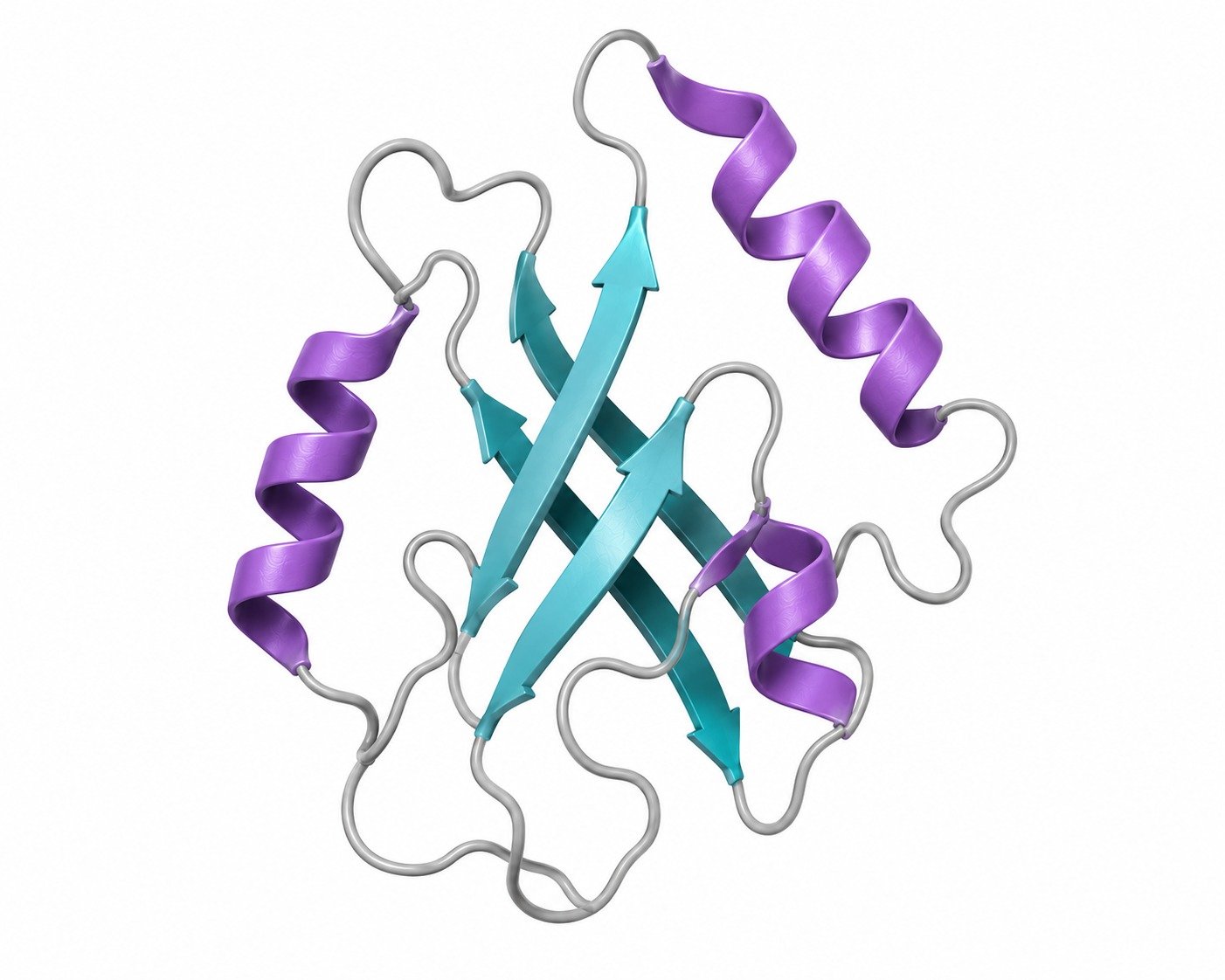
Source : Escherichia Coli. Fibroblast Growth Factor 23 Human Recombinant produced in
E.Coli is a single, non glycosylated polypeptide chain containing a total of 228 amino acids
and having a molecular mass of 22.5kDa. The FGF 23 is and purified by chromato graphic
techniques. FGF 23 is a member of the fibroblast growth factor (FGF) family. FGF family
members possess broad mitogenic and cell survival activities and are involved in a variety of
biological processes including embryonic development, cell growth, morphogenesis, tissue
repair, tumor growth and invasion. FGF 23 inhibits renal tubular phosphate transport. The
FGF 23 gene was identified by its mutations associated with autosomal dominant
hypophosphatemic rickets (ADHR), an inherited phosphate wasting disorder. Abnormally
high level expression of FGF 23 was found in oncogenic hypophosphatemicosteomalacia
(OHO), a phenotypically similar disease caused by abnormal phosphate metabolism. FGF 23
mutations have also been shown to cause familial tumoral calcin
Applications
It is recommended to reconstitute the lyophilized FGF23 in sterile 18M cm H2O not less than 100õg/ml, which can then be further dilu ted to other aqueous solutions. The
Key Features
Eye Contact: Irrigate thoroughly with water for at least 5 minutes.
Specifications
Antibody